

The EU, Britain & “Brexit”: Seeing the whole picture after the referendum
by HORE Charlie
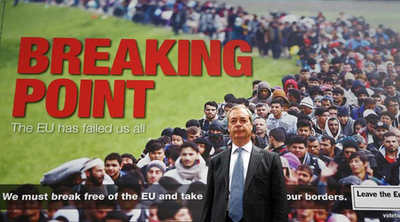 The UK referendum vote to leave the European Union has upended politics from one end of the continent to the other—nowhere more so, of course, than Britain, where Conservative Party Prime Minister David Cameron has announced his resignation, and a scheme to unseat left-wing Labour Party leader Jeremy Corbyn is in the making. SW is publishing views from the left on the meaning of the vote and next steps. The latest contribution comes from Charlie Hore, a member of revolutionary socialism in the 21st century.
 Sì, questa volta possiamo dirlo, le votazioni ai ballottaggi comunali del 19 giugno sono state proprio una severa lezione per il PD. La travolgente vittoria di Virginia Raggi e del M5S a Roma (che Renzi cerca affannosamente di giustificare con le conseguenze dell’ “avventura Marino”), ma ancora di più quella di Chiara Appendino a Torino, dove il PD sperava di capitalizzare il netto sostegno di tutti i poteri forti cittadini per il suo sindaco uscente Fassino, sono la prova della decisa impasse in cui si trova il Partito democratico.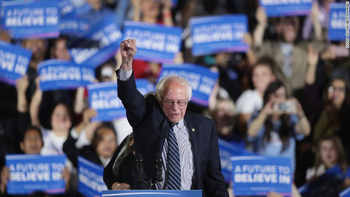
 La préfecture de police vient d'interdire la manifestation du 23 juin, à Paris, contre la loi Travail, appelée par sept organisations syndicales.
 Le gouvernement a donc confirmé l’interdiction de la manifestation de jeudi 23 juin. Cette interdiction d’une manifestation syndicale est une première depuis… la guerre d’Algérie. L’état d’urgence, le 49-3, l’interdiction de manifester, le gouvernement utilise donc toute la panoplie des mesures les plus antidémocratiques de la Ve République, des mesures de guerre sociale.
 Following the election and Cameron’s pledge to the right, there will be an in out referendum on Britain’s membership of the EU at least by the end of 2017, and possibly in 2016. This article will examine the role and character of the EU, the implications of the referendum itself, and consider how the left should vote.
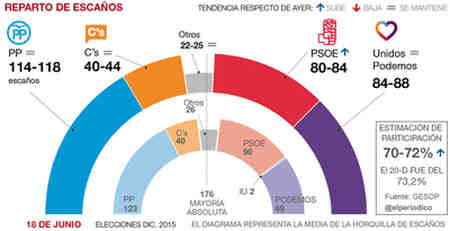 Cuando entramos en la última semana de campaña electoral, parece ya innegable que, pese a los esfuerzos de la mayor parte de las candidaturas por hablar poco de las “líneas rojas” que quiere seguir imponiendo la troika (recortes de más de 8.000 millones de euros y multa por incumplimiento del déficit), el referéndum del 23J en Gran Bretaña ha puesto la cuestión del futuro de la Unión en el centro de la agenda política. En efecto, sea cual sea su resultado y más allá de las consecuencias económicas que vaya a tener, no es difícil prever que el proyecto de “más Europa” va a pasar a mejor vida confirmando definitivamente el parón. Con él, también la tendencia a una geometría cada vez más variable en la UE buscando al mismo tiempo la preservación de la unidad de la eurozona: la primera, limitándose a ser un bloque comercial (justamente en momentos de negociación del TTIP con EE UU) y la segunda, tratando de asegurar una mayor cohesión interna a través de nuevos pasos (en medio de crecientes tensiones entre países del Norte y del Sur y entre Bruselas, Frankfurt y Berlín), hacia un federalismo autoritario.
 La manifestation du 14 juin a été un succès vécu par tous ceux et celles qui y ont participé. Massivement, les salarié-es particulièrement mobilisés dans le privé ont fait le déplacement et ont participé ensemble à cette démonstration de force et de détermination.
 Now that the media craze surrounding the Paris Agreement has died down, it’s time to step back and ask ourselves what are the main reasons for the failure of these successive summits. Many of the problems are well known, particularly in activist circles, such as our leaders’ absolute belief of in unsustainable economic growth, as well as the way large multinationals and other lobbies insinuate into the hidden complexities of these negotiations.
 The Green Party’s likely presidential nominee, Jill Stein, penned an open letter to Californians on Friday calling for “All hands on deck!” In an unprecedented call to action that, if acted upon, could significantly cost the Green Party votes in November, Jill Stein told all Californians who are currently registered to vote as “No Party Preference” or “Democrat” to cast their vote for Bernie Sanders in the June 7 primary.
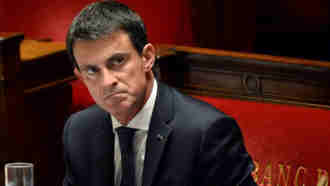 Ces derniers jours, le Premier ministre a réussi le tour de force de multiplier en quelques minutes les provocations et les outrances : la CGT est accusée « d’encourager la violence » contre les policiers ; ceux qui contestent les « sociaux-démocrates quand ils sont au pouvoir » ou protestent contre les violences « des forces de l’ordre qui incarnent l’Etat » ne sont rien d’autres que des « ennemis de la démocratie » ; la porte-parole d’« Ensemble ! », Clémentine Autain, est étiquetée « islamo-gauchiste » et jugée responsable d’alimenter « le terreau de la violence et de la radicalisation ». Des propos envers les uns et les autres qui rappellent ceux utilisés contre le terrorisme !
 “The 49-3 is a brutality. The 49-3 is a denial of democracy.” Despite François Hollande’s opinions on this article of the French constitution in 2006, his government under Manuel Valls (who had himself been among the MPs proposing it be suppressed in 2008) used it to force through the unpopular law proposed by Minister for Labour Myriam El Khomri on May 10. This provoked an immediate reaction from the coordinating committee of workers’ and students unions calling days of national mobilisation and strikes on May 12, May 17, May 19, to continue on May 26 and June 14. [1]This article, originally written just before the government’s decision to use the 49-3, explains the development of the movement against the El Khomri law up to that point. It was updated on 24 May.
 La lutte pour le retrait de la loi travail n’en finit pas de rebondir. C’est déjà un échec pour le gouvernement qui comptait bien, dans la foulée de l’état d’urgence et d’une offensive sécuritaire et autoritaire sans précédent, marquer un point décisif dans la mise à mort du Code du travail...
 Cela fait 2 mois que l'intersyndicale, les collectifs Nuit Debout partout en France, les organisations de jeunesse, des associations et des partis politiques sont mobilisés contre la destruction du code du travail.
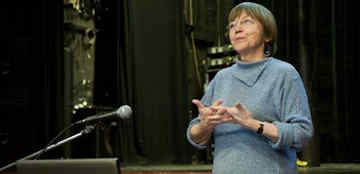 Nul doute que les Etats-Unis se sont saisis de la crise yougoslave pour maintenir et relancer l’OTAN quand elle aurait du être dissoute en 1991 en même temps que le Pacte de Varsovie. On ne peut non plus douter du fait que Washington s’efforçait de propulser une forme de gestion “euro-atlantique” des conflits balkaniques. C’est pourquoi les internationalistes devaient se mobiliser contre les bombardements “humanitaires” de l’OTAN. Mais en même temps, n’était-il pas nécessaire de dénoncer la politique “grand’serbe”, en particulier sur l’enjeu concret du Kosovo, tout en combattant les positions “anti-Serbes” ? Est-ce que la question nationale albanaise était simplement une “création impérialiste” ? Et est-ce que le fait que le “Parti socialiste” de Milosevic avait noué une alliance organique avec les partis et milices nationalistes grand-serbes était un enjeu secondaire ?